The new American mainstream: the Hispanic future of the West and South
- Editorial
quepasavegas.net
- 0
- 5 minutes read
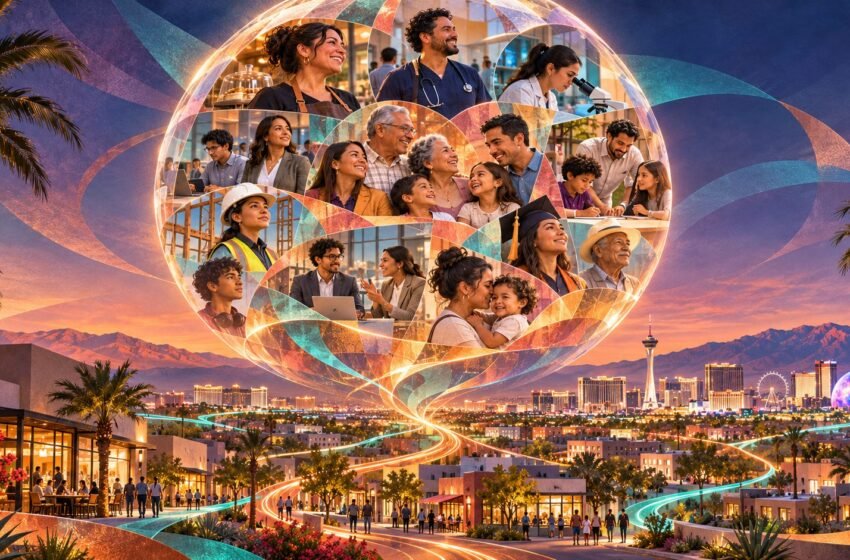
The American West and South are experiencing a profound demographic transformation. From California, Nevada and Arizona to Texas, Florida, Georgia and the Carolinas, Hispanic communities are helping shape the future of cities, neighborhoods, workplaces and consumer markets. This is not a passing trend. It is one of the defining forces reshaping the American economy.
The numbers tell the story. The U.S. Hispanic population reached approximately 68 million in 2024, representing about 20% of the nation. It has nearly doubled since 2000 and accounted for 56% of the country’s total population growth between 2000 and 2024. In 2024, Hispanics represented about 30.6% of Nevada’s population, 32.1% of Arizona’s, 40.8% of California’s and 40.3% of Texas’s. New Mexico was close to half, at 49.1%. Florida, at 28.7%, is another major center of Hispanic influence. Across the West and South, many metropolitan areas and communities are already majority Hispanic, even though neither entire region is.
For businesses, the message is clear: the Hispanic consumer is not a niche audience. Hispanic families are customers, homeowners, entrepreneurs, professionals, workers and decision-makers. Their purchasing power reaches virtually every category, from automobiles, housing and financial services to travel, healthcare, food, entertainment and technology. Las Vegas, in particular, has an opportunity to connect with a growing Hispanic population across the Southwest and with millions of Latino visitors and families who contribute to the region’s economy.
But reaching this market requires more than translating an advertisement into Spanish. Companies must understand the diversity within the Hispanic community. Mexican American, Puerto Rican, Cuban, Central American and South American consumers do not share one identical culture, accent, history or set of preferences. Generational differences matter, too. Some customers prefer Spanish, others English, and many move comfortably between both. The most effective strategy is bilingual, culturally informed and grounded in local knowledge.
Businesses should make Hispanic consumers part of their planning, not an afterthought. That means hiring and promoting bilingual employees, training customer-service teams, offering clear information in both languages, and building products and services around real community needs. It means advertising in trusted Hispanic media, partnering with local organizations, supporting cultural events and featuring Latino voices in campaigns throughout the year—not only during Hispanic Heritage Month.
Authenticity is essential. Consumers recognize the difference between a company that genuinely respects their community and one that simply uses Spanish words to sell a product. Listen to customers, work with Hispanic-owned businesses, and measure whether outreach produces lasting relationships.
The demographic map of America is changing, and the marketplace is changing with it. Companies that adapt will be better positioned to earn loyalty, reach new customers and grow. Those that ignore this transformation risk overlooking one of the country’s most dynamic audiences.
For Que Pasa Vegas, the opportunity is unmistakable: Hispanic America is not just part of the future of the West and South. It is already helping define their present.
Edgardo Iorio, Publisher
This article appears in the December 2026 issue of ¿Qué Pasa? Vegas.




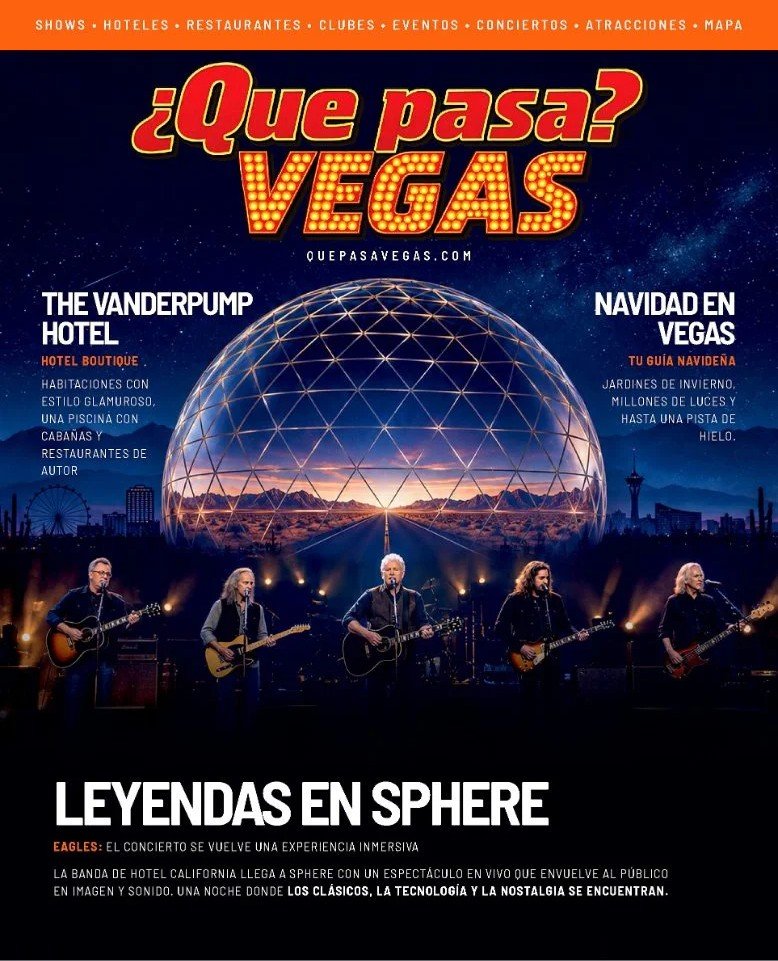 Leyendas en Sphere